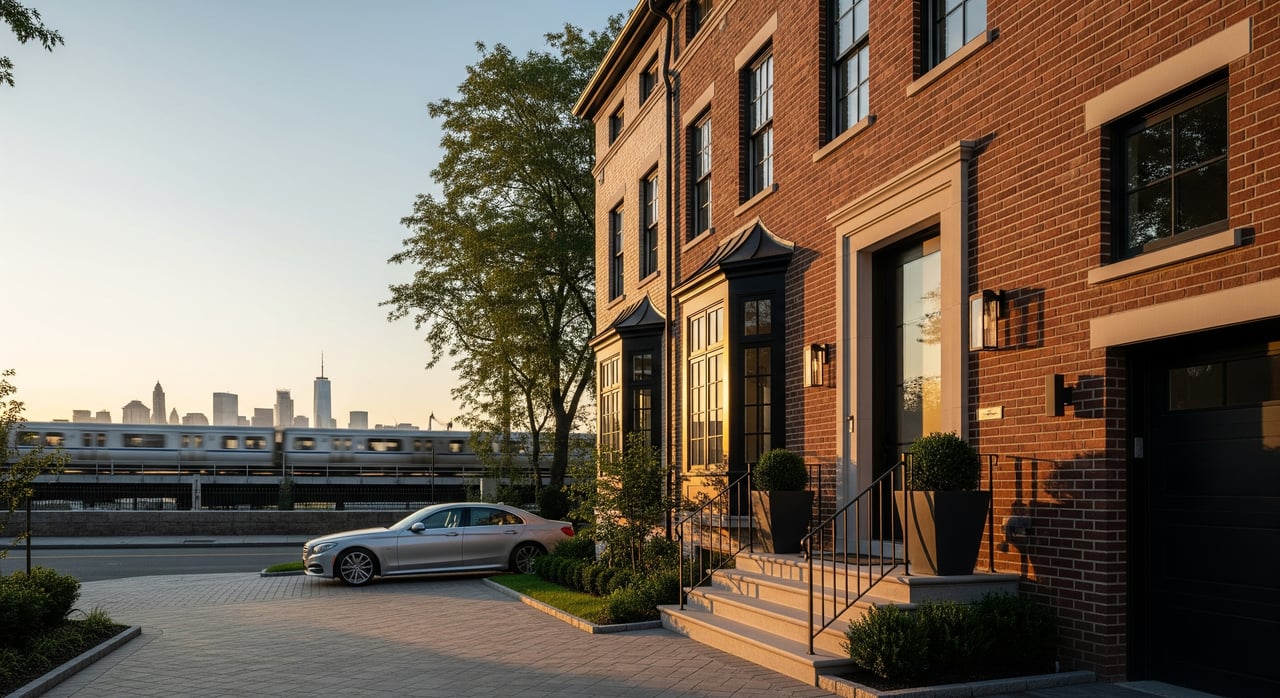
If your daily commute shapes where you live, Wood‑Ridge gives you options. With Wesmont Station connecting you to regional hubs like Hoboken and Secaucus, you can balance suburban living with city access. If you are buying or selling, understanding how NJ Transit influences demand will help you make smarter moves. In this guide, you will learn how transit proximity affects buyer interest, pricing dynamics, and listing strategy in Wood‑Ridge. Let’s dive in.
What makes Wesmont Station matter
Wesmont Station opened in 2016 as part of the Wesmont redevelopment. It sits on NJ Transit’s Bergen County Line and serves as a neighborhood stop that links you to larger connection points rather than a direct Midtown terminus. This is a classic transit‑oriented development with homes built around a rail stop.
Wesmont’s value is simple: it shortens the first step of your commute. From there, you connect to major hubs that unlock the region.
Key connections for Wood‑Ridge commuters
- Hoboken Terminal: From here, you can take PATH trains or ferries into Manhattan, plus buses and local transit for Jersey City and Hudson County.
- Secaucus Junction: This is the main transfer hub for trains to New York Penn Station and other NJ Transit lines across North Jersey.
- Local and regional options: Nearby bus lines, park‑and‑ride facilities in neighboring towns, and road access to Route 17, the Garden State Parkway, I‑80, and I‑95 make hybrid trips straightforward.
How transit proximity drives demand
Proximity to a rail station consistently draws a broader pool of buyers. Commuters to Manhattan, Hoboken, and Jersey City often start their search with transit access in mind. If you are within a short walk of Wesmont, your home may get more attention from that group.
You also tend to see higher showing frequency. Listings marketed as near a station attract more weekday and early evening tours. Out‑of‑town buyers and time‑pressed professionals often prioritize places they can tour around their commute.
For investors and landlords, walkable station access can improve rental marketability and shorten vacancy periods for smaller units aimed at commuters.
Who feels transit the most
- Peak‑hour commuters to Manhattan, Hoboken, or Jersey City
- Multi‑modal commuters who combine driving, parking, and rail
- Renters and investors targeting steady commuter demand
- Buyers seeking a walkable, transit‑oriented lifestyle
What transit access does and does not guarantee
Transit proximity often creates a demand premium, but it is not a guaranteed price bump. Pricing outcomes vary by several factors.
- Service quality and frequency: Regular peak service is a plus, while infrequent trains limit the benefit.
- Walkability: A safe, well‑lit, direct walk to the station makes a real difference.
- Surrounding amenities: Shops, parks, and everyday conveniences shape overall appeal.
- Tradeoffs: Noise, parking competition, taxes, and perceived privacy can offset some benefits.
The most accurate approach is local. Compare recent sales within a short walk of Wesmont to similar homes farther out, and control for size, beds, baths, and condition. Transit tends to increase competition and exposure, while final pricing still depends on property specifics and overall market conditions.
Commute realities from Wood‑Ridge
Your path usually follows one of two patterns. You can ride to Hoboken Terminal and connect by PATH or ferry into Manhattan. Or you can change at Secaucus Junction for trains to New York Penn Station and beyond.
First and last mile details matter. Consider your walk time to Wesmont, bike parking needs, potential feeder buses, and whether station or on‑street parking fits your routine.
How to talk about commute time responsibly
Avoid quoting a single number. Instead, give a typical range and the exact route assumption. For example: “Typical peak‑hour route: Wesmont to Secaucus, then transfer to New York Penn Station; total trip commonly ranges within a window that depends on transfer timing and walking distance.” Your best sources are official schedules and a live trip planner. Always check multiple departure times during peak and off‑peak windows and allow buffer for transfers and alerts.
Marketing tips for sellers near Wesmont
If you are listing within a convenient walk of Wesmont, make transit a feature, not a footnote. A few simple changes can widen your buyer pool.
- Lead with proximity: Use clear language like “approximately X‑minute walk to Wesmont Station,” based on a realistic walking route. Verify the route and timing before you publish.
- Show the journey: In your listing copy, outline a typical route to Midtown or downtown Jersey City, noting the transfer point. Keep it accurate and labeled as typical.
- Target timing: Early‑evening showings on weekdays can capture commuters stepping off the train. Weekend open houses still work, but consider a Friday preview when appropriate.
- Visual cues: Include a neighborhood map graphic that highlights the station, nearby amenities, and the walking path. Keep labels clean and factual.
- MLS search visibility: Use keywords buyers filter for, such as “near train,” “close to Wesmont Station,” and “Bergen County Line access,” while staying honest about distance and route.
For condominiums or smaller homes, emphasize features that appeal to commuters: secure package storage, a work‑from‑home nook, bike storage, and low‑maintenance finishes.
Buying near Wesmont: what to weigh
You will want to balance convenience with everyday life details. Focus on what will matter after your first week in the home.
- The walk: Is the route direct, well‑lit, and maintained in winter? Are there any steep sections or crossings that slow you down?
- Noise and privacy: Homes next to tracks can experience train noise and vibration at certain times. Visit at multiple hours to get a feel.
- Parking: Around station areas, street parking can be competitive or permit‑restricted. Confirm local rules and guest parking options.
- Schedule fit: If you rely on reverse commutes or midday travel, check off‑peak frequency to make sure service times match your routine.
- Hybrid options: If driving to Secaucus or another hub works better for you, confirm parking availability and expected timing during your typical commute window.
Investor lens: rentability and turnover
Walkable rail access supports a steady pipeline of commuter tenants. This can translate to shorter vacancy periods and broader applicant pools. To keep turnover manageable, invest in durable finishes, in‑unit storage that supports bikes or strollers, and clear transit‑focused marketing.
Leases should reflect practical realities. Align move‑in dates with peak demand periods and share verified transit guidance with prospective tenants. For longer‑term stability, highlight neighborhood amenities that matter to commuters, such as grocery options and fitness studios.
Data to verify before you decide
Local accuracy wins trust and helps you avoid surprises. Before you list or write an offer, confirm the details that matter.
- Current NJ Transit timetables for the Bergen County Line serving Wesmont
- Your exact walking time and route to the station from the property
- Comparable sales within a short walk of Wesmont versus farther out, controlling for size and condition
- Any station parking details or local permit rules that affect daily routines
- Whether planned service changes or local upgrades are in the pipeline
- Commute time ranges to Hoboken and New York Penn Station at multiple departure times, with route notes
The Wood‑Ridge edge
Wesmont Station gives Wood‑Ridge a practical advantage for buyers who value time. For sellers, proximity can amplify exposure and bring more qualified showings. For investors, the commuter segment supports rentability. The key is accuracy. When you market commute convenience clearly and responsibly, you meet buyers where they are.
If you are weighing a move in Wood‑Ridge, you deserve a marketing‑first plan that showcases transit access with clarity and style. For a local, data‑driven strategy and polished presentation, connect with Alexa Micciulli.
FAQs
What NJ Transit line serves Wesmont Station in Wood‑Ridge?
- Wesmont Station sits on NJ Transit’s Bergen County Line, connecting you to Hoboken Terminal and Secaucus Junction for broader regional access.
How do I get from Wood‑Ridge to Midtown Manhattan by train?
- The typical route is Wesmont to Secaucus Junction, then a transfer to a train bound for New York Penn Station; verify timing ranges with current schedules.
Do homes near Wesmont Station always sell for more in Wood‑Ridge?
- Not always; proximity often increases competition and showings, while final price depends on service frequency, walkability, property features, and overall market conditions.
Is parking easy around Wesmont Station in Wood‑Ridge?
- Parking near stations can be competitive or permit‑restricted; confirm current options and any local permit requirements before you decide on a routine.
What should investors know about rentals near Wesmont?
- Walkable station access can support strong renter demand and shorter vacancies for commuter‑oriented units; verify local rules and market comps before pricing.
How should I estimate commute time from my Wood‑Ridge address?
- Use official timetables and a live trip planner to test multiple departure times, then present a range with clear route steps and allow buffer for transfers.